From $150 pp
Kilimanjaro Day Hike (Mandara Hut)
1 Day
Day Trips
Kilimanjaro Rainforest / Mandara Hut / Wildlife Spotting
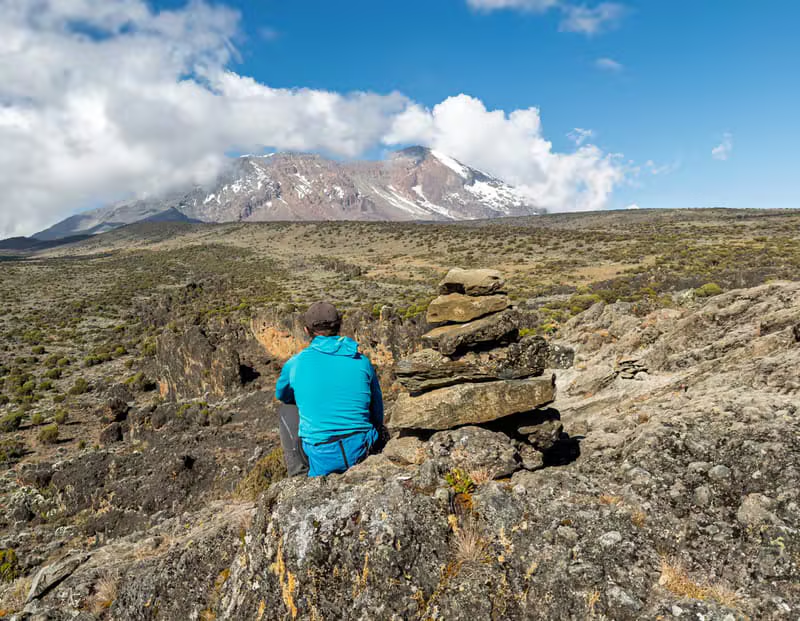
Tanzania Trekking Tours
Stand at 5,895 meters above sea level. Embark on a life-changing trekking experience to the highest peak in Tanzania with our expert local mountain guides.
The Ultimate Trek
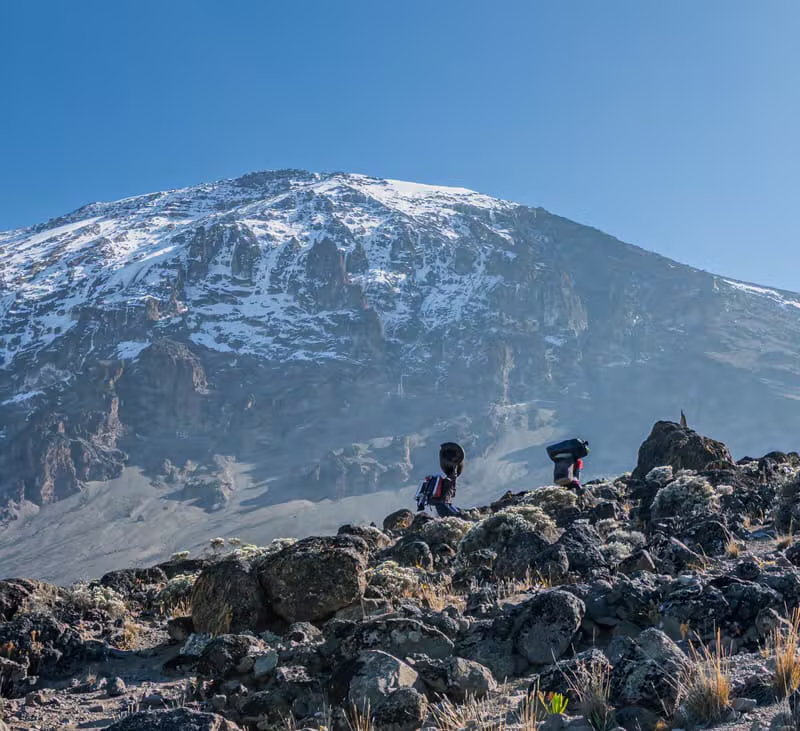
Located in Northern Tanzania, Mount Kilimanjaro stands at an impressive 5,895 meters (19,341 feet) at Uhuru Peak. It is the highest mountain in Africa and the highest free-standing mountain in the world, making it a truly unique and iconic global landmark.
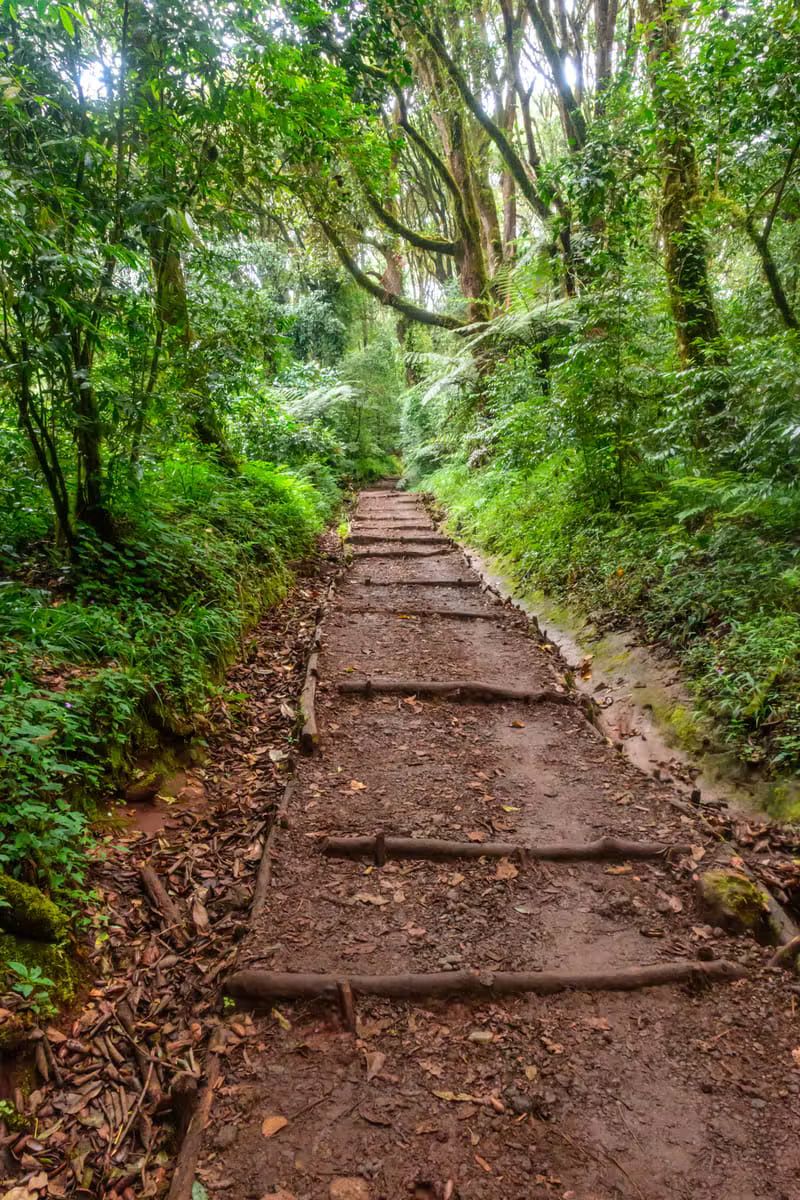
Kilimanjaro trekking is a life-changing journey through five distinct climate zones—from lush tropical rainforests and alpine heather to a striking, glaciated arctic summit. Kilimanjaro climbing in Tanzania requires no technical mountaineering skills, just determination, a good level of physical fitness, and an experienced local operator to guide your acclimatization and ensure your safety.
Kilimanjaro Trekking Tours
Whether you prefer the scenic Lemosho, the popular Machame, or the classic Marangu, we have carefully designed trekking itineraries to maximize your summit success.
1 Day
Day Trips
Kilimanjaro Rainforest / Mandara Hut / Wildlife Spotting
6 Days / 5 Nights
Moderate / Huts
Summit Mount Kilimanjaro at Uhuru Peak – 5,895 mTrek through rainforest, moorland and alpine desertAcclimatization day at Horombo HutOvernight in comfortable mountain hutsSunrise from Uhuru PeakExperienced mountain guides and support crewScenic views of Mawenzi and Kibo Peaks
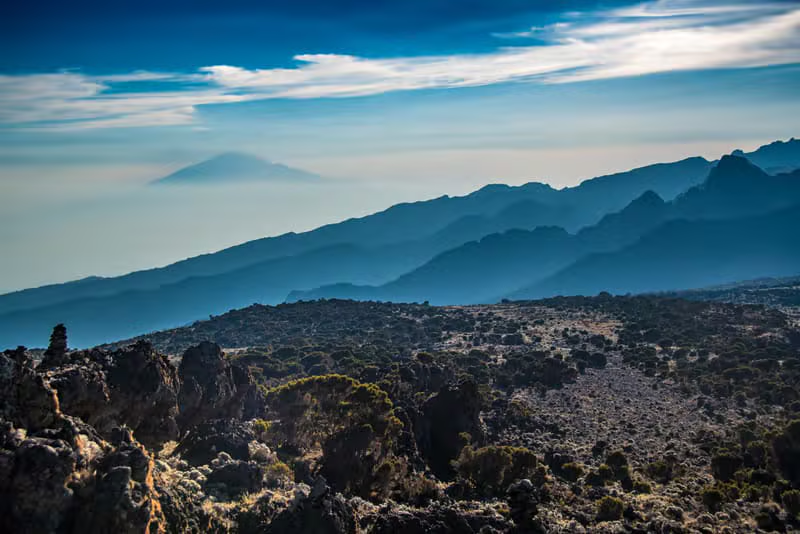
7 Days / 6 Nights
Challenging / Camping
Scenic approach, great acclimatization, excellent acclimatization.
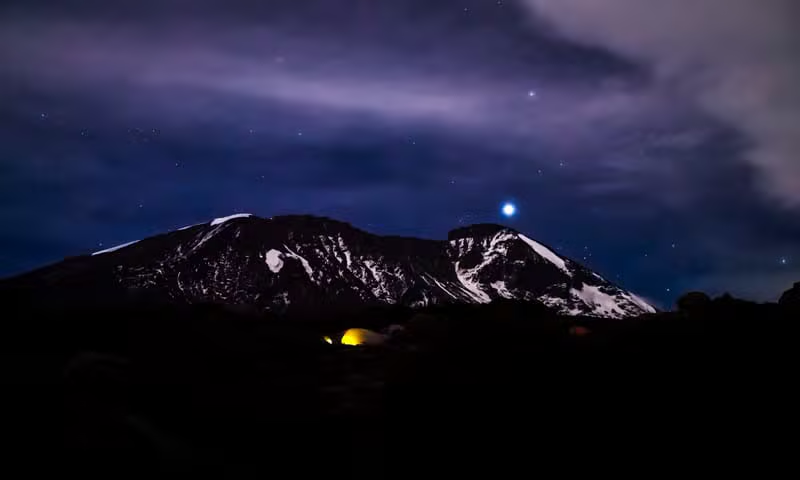
8 Days / 7 Nights
Challenging / Camping
Kilimanjaro Trekking /Lemosho Rout
Compare the characteristics of our primary routes to find the perfect match for your fitness level, time availability, and trekking style.
| Route Name | Duration | Difficulty | Accommodation | Scenery |
|---|---|---|---|---|
| Machame Route | 7 Days | Challenging | Camping | Excellent / Highly Varied |
| Lemosho Route | 8 Days | Challenging | Camping | Spectacular / Quiet Start |
| Marangu Route | 6 Days | Moderate / Challenging | Mountain Huts | Good / Classic Steady Climb |
The Trekking Experience
Altitude is the main challenge on Kilimanjaro. Our itineraries are specifically designed with 'climb high, sleep low' profiles to maximize your body's ability to adapt safely. We prioritize a slow, steady pace (pole pole).
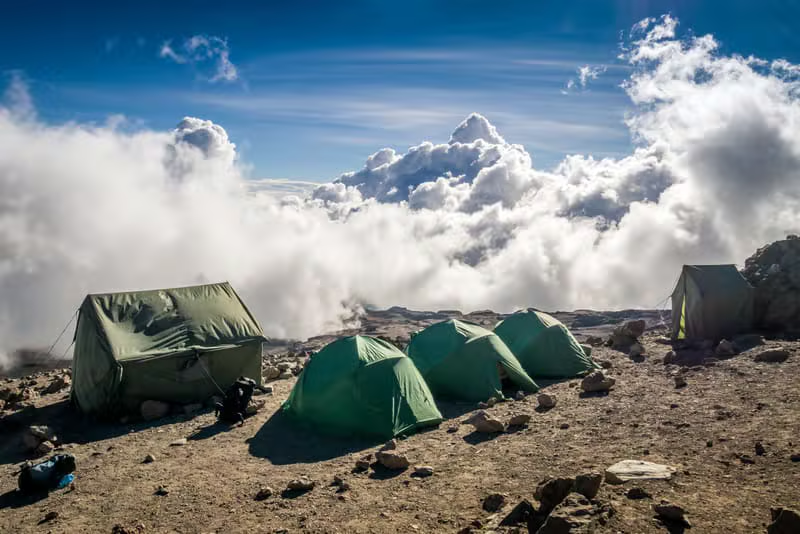
Most days involve 4 to 7 hours of trekking through spectacular, ever-changing landscapes. You carry only a light daypack, while our porters transport the rest. Expect early mornings, hearty meals, and arriving at camp by mid-afternoon.
The final push to Uhuru Peak begins around midnight. It is a demanding, cold ascent under the stars, taking 6-8 hours to reach the crater rim. Standing on the Roof of Africa at sunrise is a reward unlike any other.
Seasons & Weather
While Kilimanjaro trekking is available year-round, the optimal months align with Tanzania's main dry seasons, ensuring clearer skies, stunning views, and safer trail conditions for your ascent.
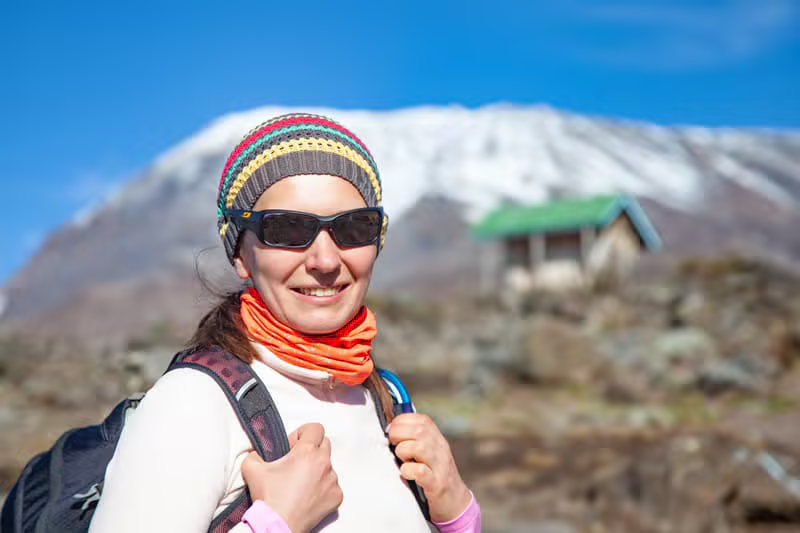
Gear Checklist
Layering is the key to success on Kilimanjaro's varying climate zones. Here is a concise checklist of vital equipment for your trek.
Excellence on the Mountain
Our dedicated guides have years of experience leading Kilimanjaro trekking expeditions and hold active wilderness first-aid certifications.
Routine health checks, comprehensive safety protocols, and emergency oxygen are standard on every climb we operate.
We structure our itineraries to follow the "climb high, sleep low" principle, giving your body the best opportunity to acclimatize safely.
We provide sturdy, weather-tested mountain tents, comfortable sleeping pads, and well-equipped communal mess tents.
Our mountain chefs prepare balanced, high-energy meals daily using fresh local ingredients to keep you properly fueled.
From your arrival in Tanzania through to your summit and departure, we provide seamless logistics and professional support.
Preparation & Advice
Start Your Journey
Our Kilimanjaro specialists are here to help you choose the right route, prepare for the trek, and ensure you reach the summit safely.