Back
6 Days / 5 Nights
Marangu Route Trekking
From $1,750 pp
Moderate / Huts
Tour Overview
The 6 Days Marangu Route is one of the most popular routes on Mount Kilimanjaro and is known as the “Coca-Cola Route.” It is the only Kilimanjaro route that offers accommodation in mountain huts. This itinerary includes an additional acclimatization day at Horombo Hut, giving you more time to adapt to the altitude before the summit attempt.
Safari Highlights
- Summit Mount Kilimanjaro at Uhuru Peak – 5,895 m
- Trek through rainforest, moorland and alpine desert
- Acclimatization day at Horombo Hut
- Overnight in comfortable mountain huts
- Sunrise from Uhuru Peak
- Experienced mountain guides and support crew
- Scenic views of Mawenzi and Kibo Peaks
Detailed Day-by-Day Itinerary
Day 1: Marangu Gate to Mandara Hut
Elevation: 1,860 m → 2,720 m
Distance: approximately 8 km
Hiking time: 4–5 hours
Habitat: Rainforest
Overnight: Mandara Hut
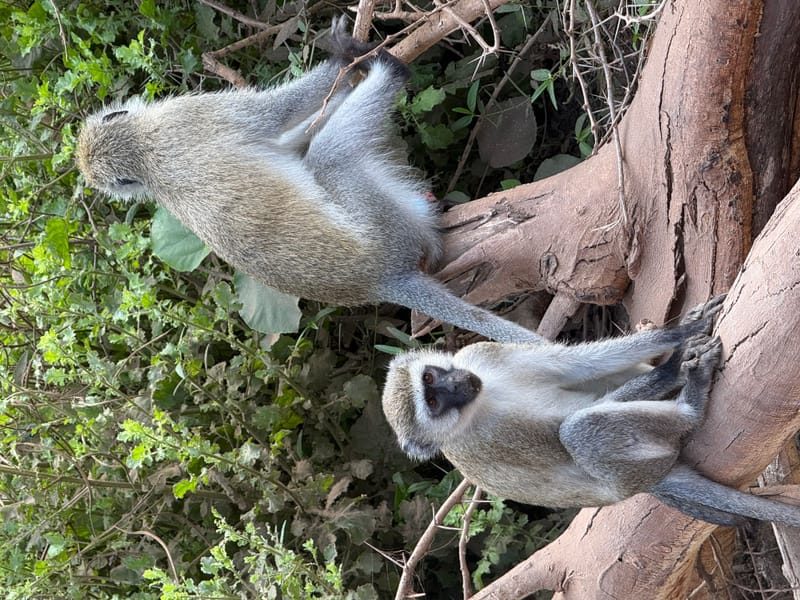
The trail is generally gradual, with tall trees, dense vegetation, birds and, occasionally, monkeys along the way. Your guide will maintain a comfortable pace, allowing you to enjoy the surroundings while gradually gaining altitude. After several hours of hiking, you arrive at Mandara Hut, where your mountain crew will have prepared your accommodation and meals.
In the afternoon, depending on your energy and weather conditions, you may take a short walk around the Mandara area. Dinner is served at the hut, followed by an early rest.
Distance: approximately 12 km
Hiking time: 5–7 hours
Habitat: Heath and Moorland
Overnight: Horombo Hut
The trail provides impressive views of the surrounding landscape, and on clear days you may see Mawenzi Peak and eventually Kibo Peak, the main summit of Kilimanjaro. Your guide will encourage you to walk slowly and maintain a steady rhythm as the altitude increases.
You continue across the moorland until you reach Horombo Hut, located at approximately 3,720 metres. Horombo is surrounded by dramatic mountain scenery and is an important resting point on the route.
After arriving, you have time to rest, enjoy your dinner and prepare for the following acclimatization day.
Hiking time: approximately 4–6 hours
Overnight: Horombo Hut
This Day is an important part of the itinerary because it allows your body to adjust to the increasing altitude.
After breakfast, you leave Horombo Hut for an acclimatization hike toward the Mawenzi area and Zebra Rocks, depending on the conditions and your guide’s plan. You will climb to a higher altitude during the day before returning to Horombo Hut to sleep.
This follows the principle of “climb high, sleep low,” giving your body more time to adapt before the summit attempt.
After returning to camp, you can relax, take photographs, enjoy the mountain scenery and spend time with your guide and fellow trekkers. Your crew will prepare dinner while you rest and hydrate.
Because the next day takes you to a much higher altitude, it is important to drink plenty of water, eat well and get as much rest as possible.
Distance: approximately 9–10 km
Hiking time: 5–7 hours
Habitat: Alpine Desert
Overnight: Kibo Hut
The landscape changes dramatically as you leave the moorland behind. You cross the Saddle, a broad high-altitude area between Mawenzi Peak and Kibo Peak. Vegetation becomes very limited, and the environment becomes colder, drier and more rugged.
The trail is not necessarily extremely steep, but the increasing altitude makes walking more demanding. Your guide will keep a slow pace to help you conserve energy and adjust to the altitude.
Upon reaching Kibo Hut at approximately 4,703 metres, you will have an early dinner and receive a briefing about the summit attempt. You will prepare your warm clothing, headlamp, gloves, water and other summit equipment.
You will go to bed early because the summit climb begins around midnight.
Gilman’s Point: 5,681 m
Stella Point: 5,739 m
Uhuru Peak: 5,895 m
Hiking time: 12–16 hours
Overnight: Horombo Hut
You wake around midnight, have a light breakfast and prepare for the climb. You start hiking in darkness using headlamps. The pace is deliberately slow because of the altitude and steep terrain.
The trail climbs through rocky terrain and scree toward Gilman’s Point on the crater rim. The climb can be physically demanding, but your guide will encourage you to maintain a steady pace and take short breaks when necessary.
After reaching Gilman’s Point, you continue around the crater rim toward Stella Point and eventually Uhuru Peak, at 5,895 metres—the highest point in Africa.
If conditions are favorable and you are feeling well, you arrive at Uhuru Peak around sunrise. This is a special moment to celebrate your achievement and take photographs while enjoying the spectacular views across the surrounding landscape.
After spending some time at the summit, you begin the descent. You return toward Kibo Hut, where you have a chance to rest and eat before continuing down toward Horombo Hut.
By the time you reach Horombo, you will have completed a very long day. Dinner and overnight will be at Horombo Hut.
Elevation: 3,720 m → 1,860 m
Distance: approximately 18–20 km
Hiking time: 5–7 hours
Habitat: Moorland and Rainforest
You retrace the trail through the beautiful moorland, passing familiar scenery from the beginning of your climb. As you descend, the air becomes warmer and the vegetation becomes increasingly dense.
You continue through the rainforest toward Mandara Hut, where you can take a short break before continuing downhill.
The final section takes you through the forest until you reach Marangu Gate. After completing the park exit procedures, you will meet your transfer vehicle.
Depending on your arrangements, you will then be transferred to your hotel in Moshi or Arusha. This marks the end of your 6-day Marangu Route adventure.
Elevation: 1,860 m → 2,720 m
Distance: approximately 8 km
Hiking time: 4–5 hours
Habitat: Rainforest
Overnight: Mandara Hut
The trail is generally gradual, with tall trees, dense vegetation, birds and, occasionally, monkeys along the way. Your guide will maintain a comfortable pace, allowing you to enjoy the surroundings while gradually gaining altitude. After several hours of hiking, you arrive at Mandara Hut, where your mountain crew will have prepared your accommodation and meals.
In the afternoon, depending on your energy and weather conditions, you may take a short walk around the Mandara area. Dinner is served at the hut, followed by an early rest.
Distance: approximately 12 km
Hiking time: 5–7 hours
Habitat: Heath and Moorland
Overnight: Horombo Hut
The trail provides impressive views of the surrounding landscape, and on clear days you may see Mawenzi Peak and eventually Kibo Peak, the main summit of Kilimanjaro. Your guide will encourage you to walk slowly and maintain a steady rhythm as the altitude increases.
You continue across the moorland until you reach Horombo Hut, located at approximately 3,720 metres. Horombo is surrounded by dramatic mountain scenery and is an important resting point on the route.
After arriving, you have time to rest, enjoy your dinner and prepare for the following acclimatization day.
Hiking time: approximately 4–6 hours
Overnight: Horombo Hut
This Day is an important part of the itinerary because it allows your body to adjust to the increasing altitude.
After breakfast, you leave Horombo Hut for an acclimatization hike toward the Mawenzi area and Zebra Rocks, depending on the conditions and your guide’s plan. You will climb to a higher altitude during the day before returning to Horombo Hut to sleep.
This follows the principle of “climb high, sleep low,” giving your body more time to adapt before the summit attempt.
After returning to camp, you can relax, take photographs, enjoy the mountain scenery and spend time with your guide and fellow trekkers. Your crew will prepare dinner while you rest and hydrate.
Because the next day takes you to a much higher altitude, it is important to drink plenty of water, eat well and get as much rest as possible.
Distance: approximately 9–10 km
Hiking time: 5–7 hours
Habitat: Alpine Desert
Overnight: Kibo Hut
The landscape changes dramatically as you leave the moorland behind. You cross the Saddle, a broad high-altitude area between Mawenzi Peak and Kibo Peak. Vegetation becomes very limited, and the environment becomes colder, drier and more rugged.
The trail is not necessarily extremely steep, but the increasing altitude makes walking more demanding. Your guide will keep a slow pace to help you conserve energy and adjust to the altitude.
Upon reaching Kibo Hut at approximately 4,703 metres, you will have an early dinner and receive a briefing about the summit attempt. You will prepare your warm clothing, headlamp, gloves, water and other summit equipment.
You will go to bed early because the summit climb begins around midnight.
Gilman’s Point: 5,681 m
Stella Point: 5,739 m
Uhuru Peak: 5,895 m
Hiking time: 12–16 hours
Overnight: Horombo Hut
You wake around midnight, have a light breakfast and prepare for the climb. You start hiking in darkness using headlamps. The pace is deliberately slow because of the altitude and steep terrain.
The trail climbs through rocky terrain and scree toward Gilman’s Point on the crater rim. The climb can be physically demanding, but your guide will encourage you to maintain a steady pace and take short breaks when necessary.
After reaching Gilman’s Point, you continue around the crater rim toward Stella Point and eventually Uhuru Peak, at 5,895 metres—the highest point in Africa.
If conditions are favorable and you are feeling well, you arrive at Uhuru Peak around sunrise. This is a special moment to celebrate your achievement and take photographs while enjoying the spectacular views across the surrounding landscape.
After spending some time at the summit, you begin the descent. You return toward Kibo Hut, where you have a chance to rest and eat before continuing down toward Horombo Hut.
By the time you reach Horombo, you will have completed a very long day. Dinner and overnight will be at Horombo Hut.
Elevation: 3,720 m → 1,860 m
Distance: approximately 18–20 km
Hiking time: 5–7 hours
Habitat: Moorland and Rainforest
You retrace the trail through the beautiful moorland, passing familiar scenery from the beginning of your climb. As you descend, the air becomes warmer and the vegetation becomes increasingly dense.
You continue through the rainforest toward Mandara Hut, where you can take a short break before continuing downhill.
The final section takes you through the forest until you reach Marangu Gate. After completing the park exit procedures, you will meet your transfer vehicle.
Depending on your arrangements, you will then be transferred to your hotel in Moshi or Arusha. This marks the end of your 6-day Marangu Route adventure.
Included & Excluded
What's Included
- Kilimanjaro National Park fees
- Professional mountain guide
- Mountain crew support
- Hut accommodation during the trek
- Meals during the mountain trek
- Drinking water
- Airport/Hotel transfers as agreed
- Summit certificate
What's Not Included
- International flights
- Tanzania visa
- Travel insurance
- Personal hiking equipment
- Tips for mountain crew
- Personal expenses
- Alcoholic and soft drinks
- Accommodation before or after the trek unless specified
Best Time To Visit
Best Time to Visit: Kilimanjaro can be climbed throughout the year, but the best conditions are generally from January to early March and June to October, when rainfall is lower and skies are often clearer. July to October is particularly popular for its generally dry conditions and excellent visibility.
Gallery
Frequently Asked Questions
Is the 6-day Marangu Route suitable for beginners?
Yes, it can be suitable for beginners with good fitness, although proper preparation and acclimatization are very important.
Where do we sleep?
You sleep in mountain huts rather than tents.
How difficult is the summit day?
Day 5 is the most demanding day because of the high altitude, long hiking hours and steep sections.
What is the highest point?
Uhuru Peak at 5,895 metres (19,341 feet) above sea level.
Can I climb Kilimanjaro without previous mountain experience?
Yes. Previous climbing experience is not essential, but good physical preparation is strongly recommended.
Yes, it can be suitable for beginners with good fitness, although proper preparation and acclimatization are very important.
Where do we sleep?
You sleep in mountain huts rather than tents.
How difficult is the summit day?
Day 5 is the most demanding day because of the high altitude, long hiking hours and steep sections.
What is the highest point?
Uhuru Peak at 5,895 metres (19,341 feet) above sea level.
Can I climb Kilimanjaro without previous mountain experience?
Yes. Previous climbing experience is not essential, but good physical preparation is strongly recommended.
Get Your Free Safari Quote
Send us your details and our local experts will customize this itinerary specifically for you.