Tarangire National park

Elephant Sanctuary & Giant Baobab Tree

Tarangire National park

All Destinations

Destination Overview

Tarangire National Park is one of northern Tanzania’s most rewarding wildlife destinations, famous for its large elephant herds, ancient baobab trees, diverse landscapes, and the Tarangire River that provides an important source of water for wildlife. The park offers an authentic safari experience and is an excellent destination to combine with Lake Manyara, Ngorongoro Crater, and Serengeti.

About Tarangire National Park
Located in northern Tanzania, Tarangire National Park covers approximately 2,850 square kilometres. The park takes its name from the Tarangire River, which runs through the ecosystem and becomes particularly important during the dry season.
The landscape is characterized by open grasslands, seasonal swamps, acacia woodland, rocky areas, and impressive baobab trees. This variety of habitats supports a remarkable range of wildlife and makes Tarangire visually different from many other parks in northern Tanzania.
One of the park’s greatest attractions is its relatively quiet atmosphere compared with some of Tanzania’s more famous safari destinations. Visitors can enjoy extensive wildlife viewing while experiencing the distinctive scenery of the Tarangire ecosystem.

Wildlife in Tarangire
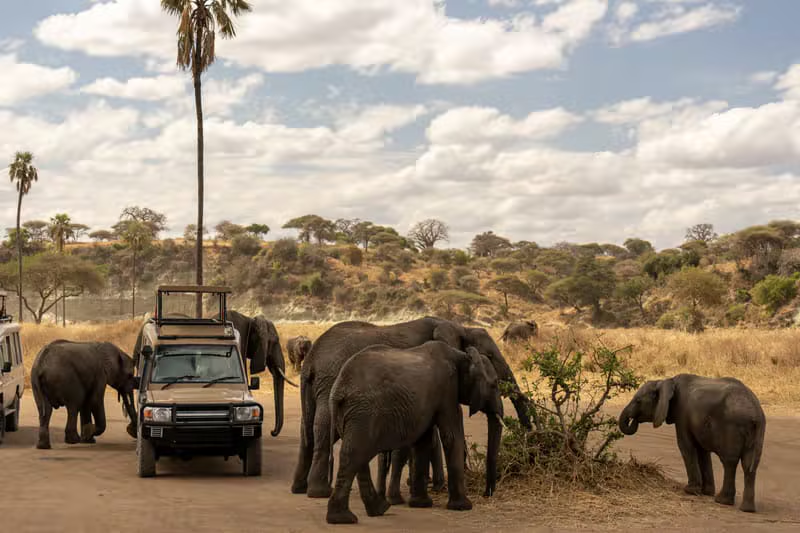
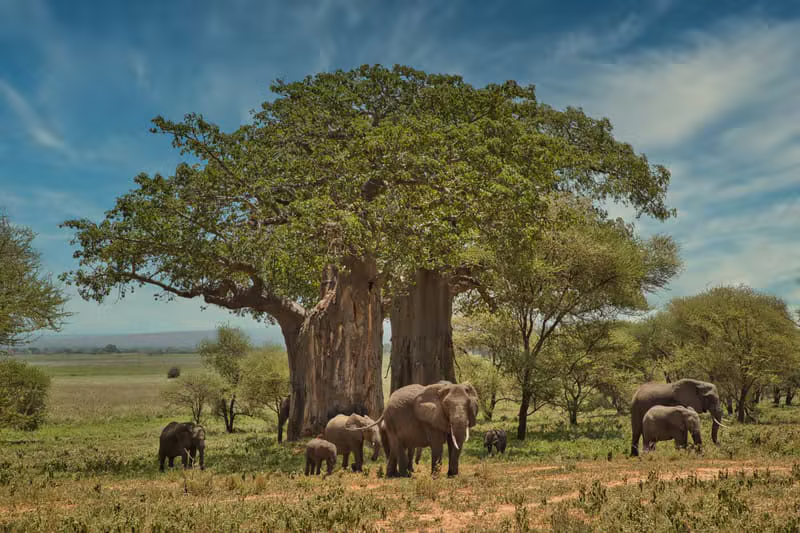
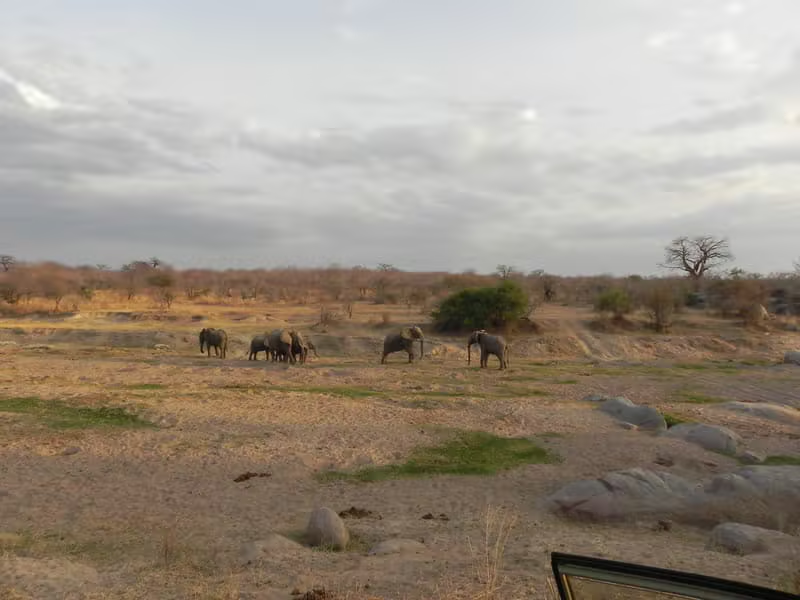
Tarangire is particularly famous for its elephants. Large herds can often be seen moving through the woodland, feeding around the river, or gathering near water during the dry season.
The park is home to a wide variety of animals, including:
  • Elephants
  • Lions
  • Leopards
  • Cheetahs
  • Buffaloes
  • Giraffes
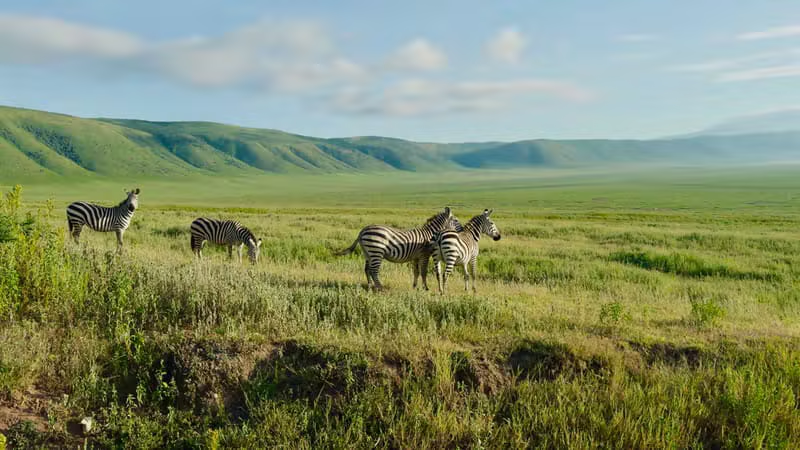
  • Zebras
  • Wildebeest
  • Impalas
  • Elands
  • Kudus
  • Oryx
  • Warthogs
  • Baboons
  • Monkeys
  • Hippos
Tarangire is also known for several species that are less commonly encountered in some other northern Tanzania parks, including the greater kudu, fringe-eared oryx, and gerenuk.
Wildlife sightings are never guaranteed, but the combination of permanent water, seasonal wetlands, woodland, and open plains creates excellent conditions for game viewing.

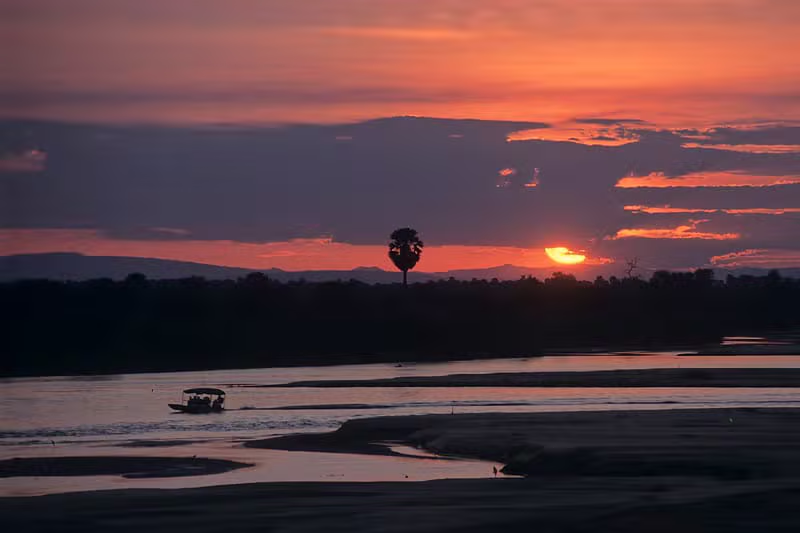
The Tarangire River
The Tarangire River is one of the most important features of the park. During the dry season, water becomes increasingly scarce across the surrounding landscape, causing many animals to concentrate around the river and other remaining water sources.
This seasonal movement can create excellent wildlife-viewing opportunities. Elephants, buffaloes, giraffes, antelopes, zebras, and predators may all be encountered around the river and nearby areas.
The river also supports the surrounding vegetation, making it an important part of the Tarangire ecosystem throughout the year.
The Famous Baobab Trees
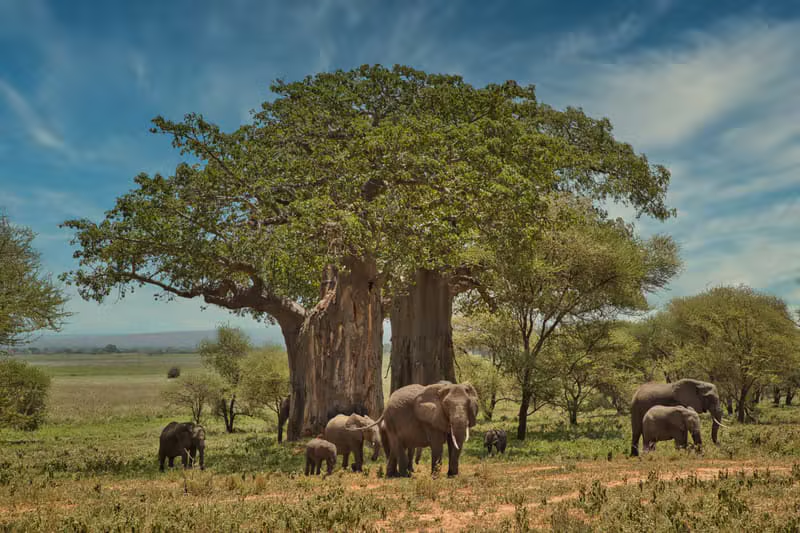
Tarangire is famous for its enormous baobab trees, which are among the most recognizable features of the landscape.
These ancient-looking trees create a dramatic backdrop for wildlife photography and give Tarangire a unique character. Some baobabs can live for many centuries and have remarkable trunk structures capable of storing large amounts of water.
The combination of elephants, baobabs, golden grasslands, and African skies creates some of the most iconic safari scenery in northern Tanzania.

Elephants of Tarangire
Elephants are one of the main reasons travellers visit Tarangire. The park supports significant elephant populations, and sightings can be particularly impressive during the dry season when animals gather around water.
Visitors may see elephants feeding on vegetation, walking across open plains, interacting with members of their herd, or resting beneath trees during the heat of the day.
For photographers and wildlife enthusiasts, Tarangire provides excellent opportunities to observe elephants in a natural environment.

Predators
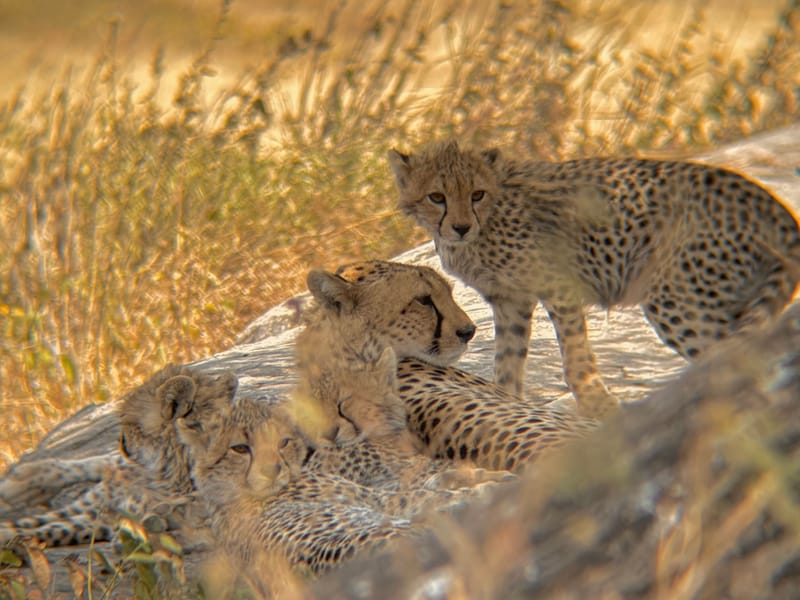
Tarangire supports several African predators, including lions, leopards, and cheetahs.
Lions can sometimes be seen resting beneath trees, moving through the grasslands, or following herds of herbivores. Leopards are more elusive and usually require patience and good observation skills. Cheetahs may be encountered in more open areas where they can use their speed to hunt.
The presence of large concentrations of herbivores, particularly during the dry season, creates important hunting opportunities for predators.

Birds of Tarangire
Tarangire is also an excellent destination for birdwatching. The park contains a wide variety of habitats, supporting numerous resident and migratory bird species.
Birds that may be encountered include:
  • Kori bustards
  • Secretary birds
  • Yellow-necked spurfowl
  • African hoopoes
  • Hornbills
  • Eagles
  • Vultures
  • Storks
  • Herons
  • Ostriches
  • Weavers
  • Kingfishers
The combination of woodland, grassland, wetlands, and river environments provides habitats for many different bird species.
The Dry Season Wildlife Concentration
One of Tarangire’s most interesting ecological features is the seasonal movement of wildlife.
During the dry months, water becomes limited in many parts of the wider ecosystem. The Tarangire River and permanent water sources therefore become increasingly important. Large numbers of animals can move toward the park, creating periods of exceptional wildlife concentration.
This seasonal pattern is one of the reasons Tarangire is particularly popular for dry-season safaris.

Best Time to Visit Tarangire


Tarangire Safari Experience
A typical Tarangire safari involves a game drive through different habitats, with opportunities to observe wildlife at close range while maintaining a safe distance.
The drive may take you through open grasslands, acacia woodland, seasonal swamps, areas around the Tarangire River, and landscapes dominated by giant baobabs.
The experience is about more than simply counting animals. The changing landscapes, ancient trees, birdlife, elephants, and seasonal wildlife movements make Tarangire one of the most distinctive safari destinations in Tanzania.

Why Visit Tarangire National Park?
Tarangire is an excellent choice for travellers looking for:
  • Large elephant herds
  • Iconic African baobab landscapes
  • Excellent dry-season wildlife viewing
  • Lions and other predators
  • Diverse birdlife
  • Beautiful savannah and woodland scenery
  • A quieter safari atmosphere
  • A destination that combines well with Ngorongoro and Serengeti
For travellers visiting northern Tanzania, Tarangire can provide an excellent introduction to the country’s wildlife before continuing to other destinations.
Tarangire and the Northern Tanzania Safari Circuit
Tarangire is often included as part of a northern Tanzania safari circuit.

A safari can combine Tarangire with Lake Manyara, Ngorongoro Crater, and Serengeti National Park, allowing travellers to experience very different ecosystems within one journey.
Tarangire offers the giant baobabs and elephant-rich woodland, Lake Manyara provides forests and wetlands, Ngorongoro offers its spectacular crater ecosystem, while Serengeti provides vast open plains and exceptional predator and migration experiences.

Frequently Asked Questions


When is the best time to visit Tarangire?
June to October is generally excellent for wildlife viewing because animals concentrate around water sources as the landscape becomes drier. However, each season offers its own advantages.

Can I see lions in Tarangire?
Yes. Lions are regularly encountered in Tarangire, although sightings depend on wildlife movements and seasonal conditions.

Is Tarangire good for families?
Yes. The variety of wildlife and relatively compact safari experience can make Tarangire a good destination for families, particularly when combined with other northern Tanzania attractions.

Best Time To Visit
Tarangire can be visited throughout the year, but the experience changes with the seasons.

June to October
This is generally considered one of the best periods for wildlife viewing. The landscape becomes drier, vegetation is less dense, and wildlife increasingly gathers around available water sources.
Elephant sightings can be particularly impressive during this period.

November to February
The short rains bring fresh vegetation and transform parts of the park into greener landscapes. Bird activity can be excellent, and migratory species may add to the park’s already impressive birdlife.

March to May
The long-rain period produces lush vegetation and fewer visitors. The scenery can be beautiful and particularly attractive to photographers, although rainfall may occasionally affect road conditions and wildlife visibility.
Frequently Asked Questions
Is Tarangire National Park worth visiting?
Yes. Tarangire is especially rewarding for travellers interested in elephants, baobabs, diverse landscapes, birdlife, and seasonal wildlife concentrations.

What animals can I see in Tarangire?
You may see elephants, lions, buffaloes, giraffes, zebras, wildebeest, impalas, warthogs, elands, kudus, cheetahs, leopards and many other species.

What is Tarangire famous for?
Tarangire is best known for its large elephant populations, spectacular baobab trees, the Tarangire River, diverse wildlife, and excellent dry-season game viewing.

How many days do I need in Tarangire?
A full-day game drive is usually sufficient to experience the main areas of the park, although the ideal duration depends on the overall safari itinerary and the traveller’s interests.

Recommended Safaris

Discover our top-rated itineraries featuring Tarangire National park.

8 Days Complete Migration Tracking
From $3,400 pp

8 Days Complete Migration Tracking

Duration: 8 Days / 7 Nights

Type: Great Migration Safaris

7 Days Mara River Crossing
From $2,800 pp

7 Days Mara River Crossing

Duration: 7 Days / 6 Nights

Type: Great Migration Safaris

5 Days Ndutu Migration Safari
From $1,850 pp

5 Days Ndutu Migration Safari

Duration: 5 Days / 4 Nights

Type: Great Migration Safaris

Experience the Magic of Tarangire National park

There is nothing quite like witnessing the raw, untamed beauty of this incredible ecosystem. Let us design your perfect, bespoke journey to this iconic landscape.

Plan Your Safari