Lake Manyara National Park is one of Tanzania’s most diverse and scenic wildlife destinations, offering a remarkable combination of wildlife, landscapes, forests, wetlands, and the alkaline waters of Lake Manyara. Located at the base of the Great Rift Valley escarpment, the park provides an excellent safari experience and is often included in northern Tanzania safari itineraries alongside Tarangire, Ngorongoro Crater, and Serengeti.
About Lake Manyara National ParkLake Manyara National Park covers approximately 330 square kilometres, with a large portion of the park occupied by the shallow, alkaline Lake Manyara. The landscape changes dramatically as you travel through the park, from groundwater forests and open woodland to grassy floodplains, wetlands, and the lake itself.
The park is particularly famous for its beautiful scenery and high concentration of wildlife within a relatively compact area. The dramatic Rift Valley escarpment forms an impressive backdrop, while the lake attracts thousands of birds, especially during periods when water levels and food conditions are favourable.
Wildlife in Lake ManyaraLake Manyara offers excellent opportunities to see a variety of African wildlife. Elephants are among the park’s most recognizable animals and can often be encountered moving through the forest or feeding near open areas.
Other animals commonly seen include:
- Lions
- Elephants
- Giraffes
- Zebras
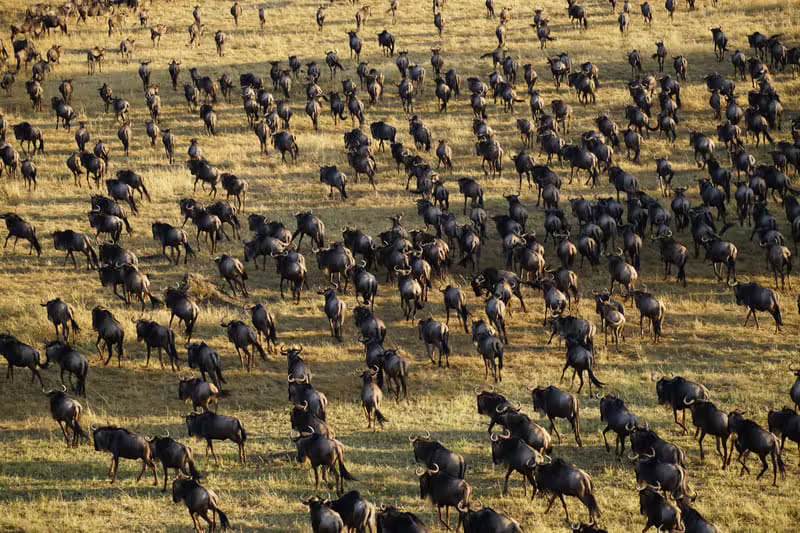
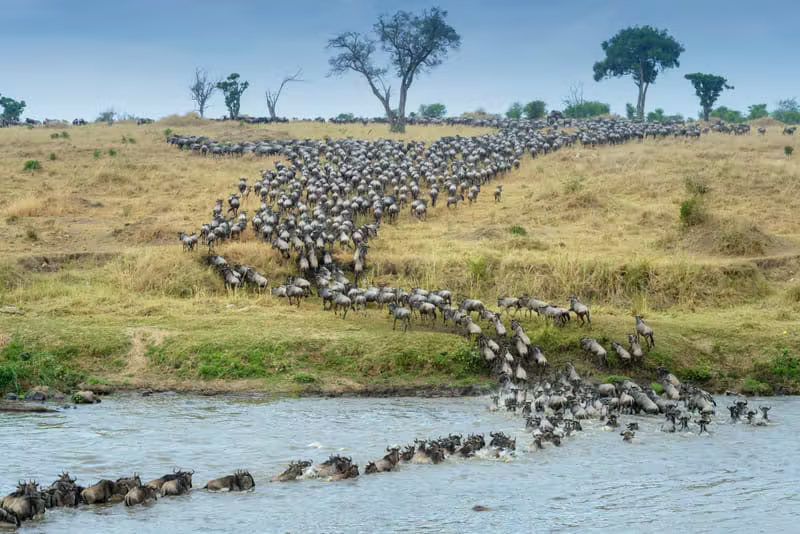
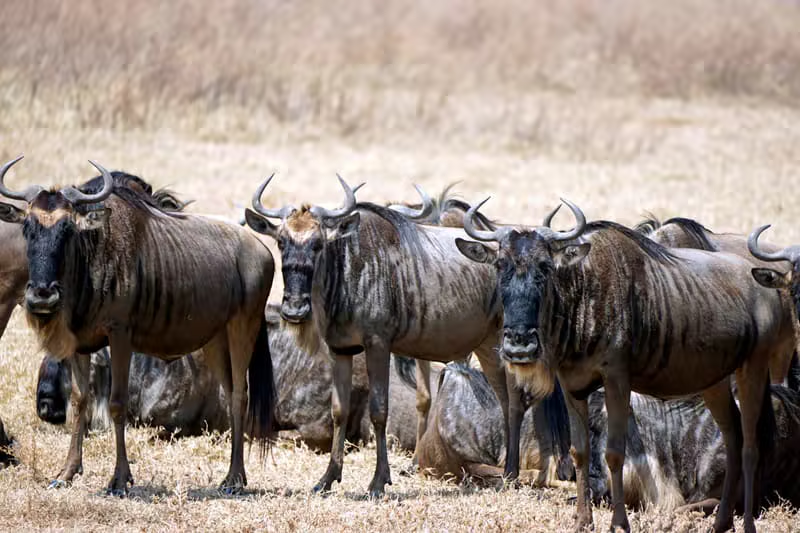
- Wildebeest
- Buffaloes
- Hippos
- Warthogs
- Baboons
- Monkeys
- Impalas
- Waterbucks
- Dik-diks
- Bushbucks
The park is also home to numerous smaller mammals and reptiles. Wildlife sightings can vary depending on the season, water availability, vegetation, and animal movements.
The Famous Tree-Climbing Lions
One of Lake Manyara’s most famous attractions is its tree-climbing lions. Lions are occasionally seen resting on the branches of large trees, particularly during hot parts of the day.
Although lions can climb trees in several parts of Africa, Lake Manyara has become particularly well known for this behaviour. Seeing a lion relaxing high above the ground provides a memorable safari experience and excellent photographic opportunities.
It is important to understand that tree-climbing lions are not guaranteed on every visit. Wildlife is unpredictable, and their behaviour depends on environmental conditions and individual circumstances.
Lake Manyara and BirdlifeThe lake is an important habitat for a wide variety of bird species. Depending on the season and water conditions, visitors may see large numbers of flamingos along with pelicans, storks, herons, egrets, kingfishers, African fish eagles, and many other species.
The combination of lake, wetlands, forest, and woodland creates different habitats within a relatively small area, making Lake Manyara particularly attractive to birdwatchers and photographers.
During suitable conditions, the sight of flamingos gathered around the lake creates one of the park’s most distinctive scenes.
The Groundwater ForestOne of the most beautiful areas of Lake Manyara National Park is its groundwater forest. Fed by underground water flowing from the surrounding highlands, this lush forest remains greener than many of the surrounding landscapes.
The forest provides habitat for elephants, baboons, monkeys, bushbucks, and numerous bird species. Driving beneath the dense canopy creates a completely different atmosphere from the open savannah found elsewhere in northern Tanzania.
The Great Rift Valley EscarpmentLake Manyara lies beneath the dramatic Great Rift Valley escarpment. The escarpment rises prominently above the western side of the park and creates spectacular views across the landscape.
This geological setting is one of the reasons Lake Manyara is more than simply a wildlife destination. A safari here combines wildlife viewing with impressive scenery, making it an excellent destination for travellers interested in both nature and landscapes.
Hippos and Wetland Areas
The shallow waters and wetlands around Lake Manyara provide an important habitat for hippos and many water-associated bird species.
Hippos can often be observed spending much of the day in or near the water, while birds feed along the shoreline and in the surrounding wetlands. These areas also attract other wildlife, especially during periods when water is readily available.
Canopy WalkwayLake Manyara is also known for its elevated canopy walkway, which provides visitors with a different perspective of the forest. The walkway rises above the forest floor and allows visitors to experience the ecosystem from a higher level.
It can provide opportunities to observe birds, monkeys, butterflies, and the surrounding vegetation while offering a different experience from a traditional game drive.
Availability of activities can depend on park regulations and current operating conditions, so travellers should confirm what is available when planning their visit.
Best Time to Visit Lake ManyaraLake Manyara can be visited throughout the year, but different seasons offer different experiences.
June to October:The dry season generally provides good conditions for wildlife viewing. Vegetation becomes less dense in many areas, and animals can be easier to spot around available water sources.
November to February:The short rains and following months can bring fresh vegetation and excellent birdwatching conditions. Migratory birds may also increase the diversity of species present in the park.
March to May:The long rains transform the landscape into a lush and green environment. This period can be particularly attractive for photographers who enjoy dramatic skies, green scenery, and fewer visitors, although rainfall can affect road conditions.
Why Visit Lake Manyara?Lake Manyara is ideal for travellers who want to experience several different ecosystems within a relatively short safari. The park combines wildlife, forest, wetlands, open plains, a large alkaline lake, and the dramatic Rift Valley escarpment.
Its relatively compact size also makes it a convenient destination to include in a northern Tanzania safari itinerary. A visit can complement experiences in Tarangire, Ngorongoro Crater, and Serengeti by providing a different landscape and wildlife environment.
Lake Manyara Safari ExperienceA typical safari in Lake Manyara begins with a drive through the park, where the scenery changes from woodland and forest to open areas and wetlands. Along the way, visitors may encounter elephants, giraffes, buffaloes, zebras, baboons, monkeys, hippos, and numerous bird species.
The experience is not only about searching for the Big Five. Lake Manyara is particularly rewarding because of its varied habitats, birdlife, forest environment, spectacular scenery, and opportunities to observe animals in different surroundings.
For photographers, the park offers a wide range of subjects, from elephants and tree-climbing lions to flamingos, giraffes, forest landscapes, and the dramatic Rift Valley escarpment.
Frequently Asked QuestionsIs Lake Manyara worth visiting?Yes. Lake Manyara is especially worthwhile for travellers who appreciate diverse landscapes, elephants, birdlife, forest ecosystems, and the possibility of seeing tree-climbing lions.
What animals can I see in Lake Manyara?
Common sightings include elephants, buffaloes, giraffes, zebras, wildebeest, hippos, baboons, monkeys, impalas, warthogs and, with luck, lions.
Can I see the Big Five in Lake Manyara?Lake Manyara has lions, elephants, and buffaloes, while leopard sightings are possible but less predictable. Rhino sightings are not a normal expectation in the park.
How many days do I need for Lake Manyara?
A full-day game drive can provide a good introduction to the park. It can also be combined with other northern Tanzania destinations as part of a longer safari.
Where is Lake Manyara located?The park is in northern Tanzania, beneath the Great Rift Valley escarpment, and is commonly visited as part of a northern Tanzania safari circuit.
What makes Lake Manyara different from Serengeti?Serengeti is famous for its vast savannah plains and large-scale wildlife migrations, while Lake Manyara is known for its compact combination of forest, wetlands, lake environments, Rift Valley scenery, birdlife, elephants, and tree-climbing lions.