Overview
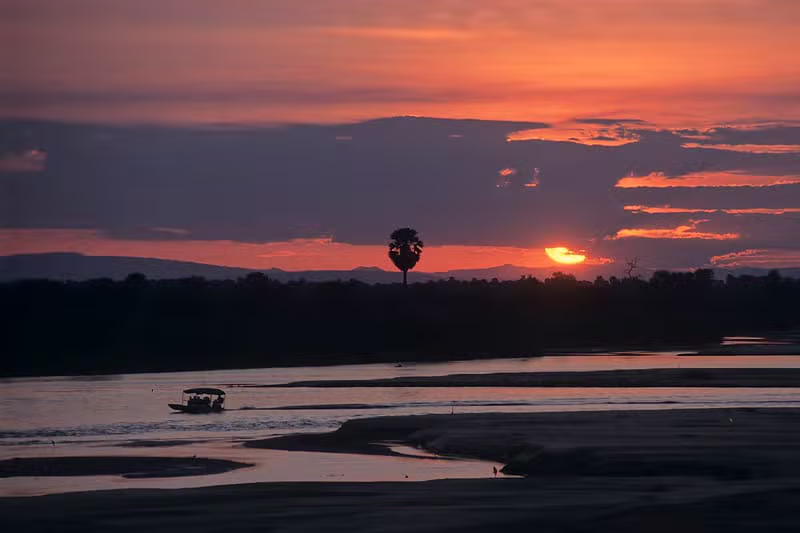
Lake Manyara National Park is a beautiful and diverse wildlife destination in northern Tanzania, located along the base of the Great Rift Valley escarpment. The park is famous for its scenic landscapes, groundwater forests, open grasslands, acacia woodlands, and the shallow alkaline Lake Manyara.
Despite its relatively small size, the park offers an impressive variety of wildlife and habitats. During the wet season, the lake can attract large numbers of flamingos and other waterbirds, creating spectacular photographic opportunities. Lake Manyara is also well known for its tree-climbing lions.
Wildlife & Experiences
Signature Encounters
WildlifeLake Manyara National Park is home to a wide range of wildlife, including:
- Elephants
- Lions
- Giraffes
- Zebras
- Buffaloes
- Hippos
- Warthogs
- Wildebeest
- Baboons
- Monkeys
- Antelopes
- More than 400 bird species
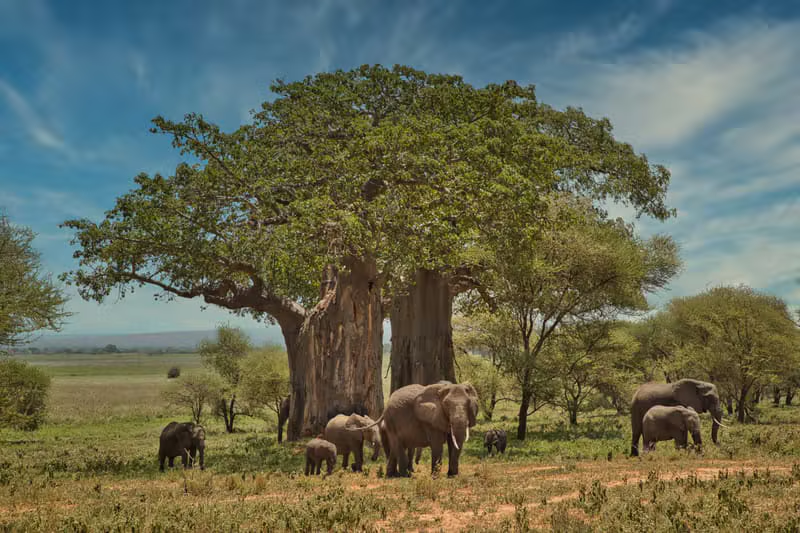
The park’s groundwater forest is particularly famous for large elephant herds and troops of baboons and monkeys. The open areas around the lake provide excellent opportunities to observe large mammals and birds.
Game Drives
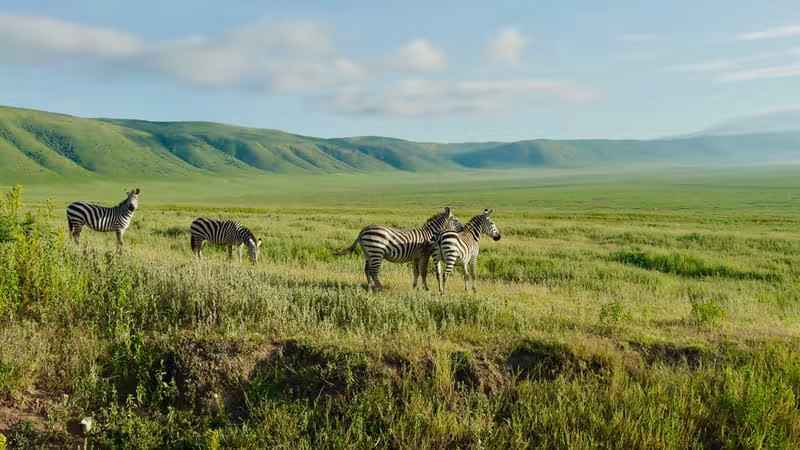
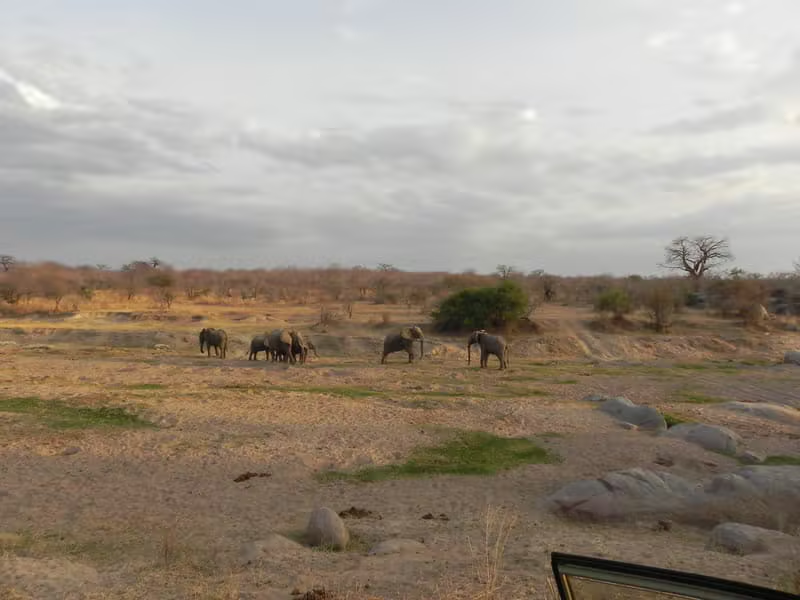
Explore the park’s diverse habitats while searching for elephants, giraffes, buffaloes, zebras, lions and other wildlife.
Birdwatching
Lake Manyara is an excellent destination for bird lovers. Depending on the season and water levels, visitors can see flamingos, pelicans, storks, herons, egrets, kingfishers and many other species.
Canoeing
Canoeing can offer a different perspective of the park and its lake environment when conditions and park regulations permit.
Nature & Walking Experiences
Guided walking experiences allow visitors to experience the landscape more closely, observe plants and smaller wildlife, and learn about the park’s ecosystem.
Photography
The combination of the Rift Valley escarpment, lake, forests, wildlife and birdlife makes Lake Manyara an excellent destination for nature and wildlife photography.
Best Time to Visit
Lake Manyara can be visited throughout the year, but different seasons offer different experiences.
June to October:
The dry season generally provides good conditions for wildlife viewing. Vegetation becomes less dense in many areas, and animals can be easier to spot around available water sources.
November to February:
The short rains and following months can bring fresh vegetation and excellent birdwatching conditions. Migratory birds may also increase the diversity of species present in the park.
March to May:
The long rains transform the landscape into a lush and green environment. This period can be particularly attractive for photographers who enjoy dramatic skies, green scenery, and fewer visitors, although rainfall can affect road conditions.
Getting There
By Road
Lake Manyara National Park is easily accessible by road from Arusha. The journey usually takes around 2 to 2.5 hours, making the park suitable for a day trip or as part of a longer northern Tanzania safari.
By Air
Visitors can fly to nearby airstrips serving the northern Tanzania safari circuit and continue to the park by safari vehicle. Kilimanjaro International Airport and Arusha Airport are also commonly used as arrival points before continuing by road.
Frequently Asked Questions
Where is Lake Manyara National Park located?
It is located in northern Tanzania, along the Great Rift Valley escarpment, near Mto wa Mbu.
What animals can I see in Lake Manyara National Park?
Common wildlife includes elephants, lions, giraffes, zebras, buffaloes, hippos, wildebeest, warthogs, baboons and several antelope species.
Is Lake Manyara famous for tree-climbing lions?
Yes. The park is well known for sightings of lions resting in trees, although seeing them in trees is not guaranteed.
Is Lake Manyara good for birdwatching?
Yes. The park supports more than 400 recorded bird species and can be particularly rewarding when the lake attracts large numbers of waterbirds.
How long should I spend in Lake Manyara?
A full-day safari is usually enough to experience the main attractions, but the park can also be included as part of a multi-day northern Tanzania safari.
Can Lake Manyara be combined with other parks?
Yes. It is commonly combined with Tarangire, Ngorongoro Crater and Serengeti as part of a northern Tanzania safari circuit.
What makes Lake Manyara special?
Its combination of the Great Rift Valley scenery, groundwater forests, wildlife, birdlife and alkaline lake makes it one of Tanzania’s most diverse safari destinations.